54B, Tailstoi Town 5238 MT,
La city, IA 522364

Dr. Vidhi Patel Vaishnav
Gynecologist in Ahmedabad
Gynecologist in Ahmedabad
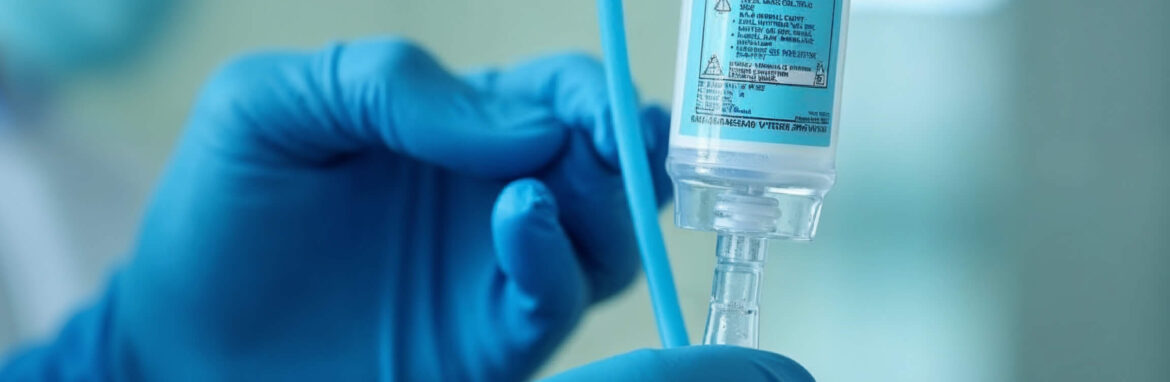
Ketamine is an anaesthetic drug used since 1960s. In 2019, a form of ketamine called Esketamine was approved by FDA as an antidepressant. Ketamine therapy has emerged as a groundbreaking treatment for individuals struggling with severe depression and other mental health conditions. Originally developed as an anesthetic, ketamine has shown remarkable antidepressant properties, offering rapid relief for those who haven’t responded to conventional treatments.
Whether it’s depression, anxiety, PTSD, or other mood disorders, ketamine therapy could provide a new pathway to healing and well-being.
Ketamine binds to the NMDA receptors in the brain that produces glutamate. Glutamate is an excitatory neuro transmitter that helps in regulation of mood, cognition, and thought pattern. Ketamine stimulates production of BDNF (Brain Derived Neurotrophic Factor) that helps in Neuroplasticity. This helps brain to change the negative thought patterns and adapt to new positive thought patterns.
Ketamine is generally administered through intravenous route; however, it can also be given orally, subcutaneously, intramuscularly and as an intranasal spray.
It has rapid onset of action.
It works on different pathways of rain, contrary to other antidepressant drugs.
It is a good option where trial of two antidepressants have not worked for the patient. (HSG)
It can be used in major depressive disorder with suicidal issues.

Procedure is done on OPD basis. Patient is kept by mouth 3 to 4 hours before the procedure before starting the procedure. The vitals including blood pressure, respiratory rate, heart rate, oxygen saturation of the patient is checked.
The ketamine dose is calculated as per body weight of the patient and the required doses infused for 60 minutes using infusion pump. An eye mask or headphones if required can be used to have a calming effect. The vitals are monitored continuously throughout the procedure. Once the infusion is over you will be monitored for another 20 to 30 minutes in the recovery room before you can leave.
One may begin to feel some of the effects of ketamine within a few minutes, a floating sensation or feel like you are not quite in your body. This is normal and this sort of dissociating experience is a part of the procedure.
Common side effects after ketamine therapy are nausea, dizziness, headache, dissociation, that is feeling disconnected from your body or thoughts, vertigo, acidity, drowsiness, hallucinations, increased blood pressure, increased heart rate, and imbalance.
The frequency of those of ketamine infusion is generally it is started with two infusion per week. Then it goes down to one infusion per week and eventually to one infusion every two weeks to every four weeks. Ketamine infusion therapy can also be taken in anxiety disorders, obsessive compulsive disorders, post-traumatic stress disorders and bipolar mood disorders, depressive face.
Patient suffering from cardiovascular disease like hypertension and history of heart attack or stroke, hyperthyroidism, severe liver disease, psychiatric disorders like delirium, acute psychosis and schizophrenia, alcohol or drug abuse, pregnancy, and mobility restriction.
If you’re looking for a trusted and experienced ketamine therapy specialist in Ahmedabad, contact Dr. Vidhi Patel Vaishnav today.
Source/s:
Banner image by freepik AI | Inner image by freepik.com
Many patients experience a noticeable improvement in mood within hours to days after their first infusion, though individual responses may vary.
Yes, when administered in a controlled clinical setting under professional supervision, Ketamine therapy is considered safe. Monitoring ensures that side effects are managed effectively.
Typically, treatment starts with 2 sessions per week, then tapers to once every 1-4 weeks based on individual response and improvement.


 by Twitchtime.

